

YouTube creators can reduce early viewer loss by fixing the opening hook, matching the title and thumbnail promise, ordering information clearly, and using retention data to revise weak sections. Failing to hook viewers in the first seconds is a major early-drop-off cause, while the YouTube Scriptwriting Mistakes That Cause Viewers to Drop Off framework also addresses pacing, transitions, repetition, and calls to action.
Channel facts
- Failing to hook viewers in the first seconds is identified as a major cause of early drop-off.
- The source reports that per cent of viewers are lost within the first seconds when an opening fails to create an effective curiosity loop.
- YouTube’s intro metric is the percentage of viewers still watching after the first seconds.
- Average view duration measures estimated minutes watched, while average percentage viewed measures the average share of the video watched.
- The source author reports roughly 28% higher average view duration for creators using five or more checklist items in tracked channel and client data.
Your takeaways
- Rewrite the hook first when the retention graph shows a steep drop in the first seconds.
- Give the opening a promise, roadmap, and early payoff rather than delaying the value.
- Use examples, evidence, or consequences when repeating a point.
- Compare retention across similar videos while considering video length and traffic source.
- Screenshot each retention graph and carry marked drop-off points into the next script revision.
Which YouTube Scriptwriting Mistakes That Cause Viewers to Drop Off most often cause viewers to leave a YouTube video early?
Early YouTube drop-off often begins when the script fails to hook viewers in the first seconds. YouTube Scriptwriting Mistakes That Cause Viewers to Drop Off include a title or thumbnail mismatch, a long greeting, delayed value, unclear stakes, and repeated information. When an opening fails to create an effective curiosity loop, the reported loss is per cent of viewers within the first seconds.
YouTube Scriptwriting Mistakes That Cause Viewers to Drop Off also appear when technical terms arrive without explanation; explain each term in one sentence the first time it appears. Order the script for viewer understanding, not the creator’s discovery process. Repetition needs an example, evidence, or consequence, or it can feel like padding.
For faceless and automated workflows, YouTube Scriptwriting Mistakes That Cause Viewers to Drop Off matter in voiceover scripts and edited footage alike. A narration track still needs clear stakes, useful sequencing, and visual support.

What should a YouTube script deliver in its opening seconds to keep viewers watching?
The opening seconds should give viewers a clear promise, an early roadmap, and the first delivered step. The intro metric is the percentage of viewers still watching after the first seconds. YouTube Scriptwriting Mistakes That Cause Viewers to Drop Off often start when the opening asks viewers to wait before explaining why the video matters.
A hook has roughly seconds to validate the click, raise the stakes, and open the first curiosity loop. A useful introduction validates the viewer’s experience, names the problem, promises the payoff, and briefly establishes relevant credibility. YouTube Scriptwriting Mistakes That Cause Viewers to Drop Off become less likely when the script delivers each promised step in order.
Show three to five topics as on-screen text so viewers can see where the video is headed. That structure works for faceless-channel scripts built around narration, stock footage, AI-generated footage, or other non-presenter formats. YouTube Scriptwriting Mistakes That Cause Viewers to Drop Off are still opening problems, even when no presenter appears.

How can YouTube audience-retention data reveal where a script is losing viewers?
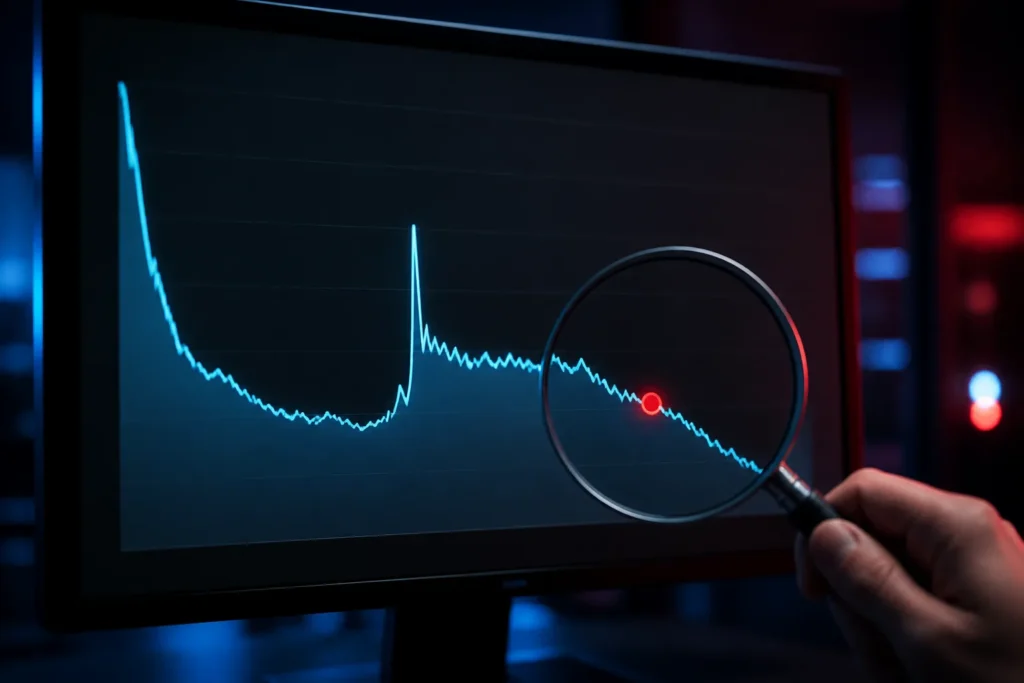
YouTube audience-retention data shows where viewers stop, skip, revisit, or continue, giving you a practical revision trail. A steep drop in the first seconds signals that rewriting should focus on the hook. YouTube Scriptwriting Mistakes That Cause Viewers to Drop Off are easier to isolate when you inspect the graph rather than judge the script by instinct.
A sharp retention dip may indicate that viewers skipped or exited, while a spike may indicate rewatching or navigation to that moment. A spike followed by a drop can indicate that an interesting section wasn’t followed through. YouTube Scriptwriting Mistakes That Cause Viewers to Drop Off may therefore sit immediately after a promising segment.
A YouTube retention analyzer is described as a tool for identifying where a video or script is likely to lose viewer attention. For an automated or outsourced team, screenshot each upload’s graph, mark the drop-off points, and rewrite those sections in the next script. That makes YouTube Scriptwriting Mistakes That Cause Viewers to Drop Off part of a repeatable review process.
Which retention metrics help distinguish a weak script from problems with the topic, editing, or thumbnail?
Audience retention reflects the whole promise chain: topic, packaging, opening, structure, pacing, clarity, and payoff, rather than editing alone. YouTube Scriptwriting Mistakes That Cause Viewers to Drop Off are therefore only one possible explanation for a weak result.
Average view duration measures estimated minutes watched, while average percentage viewed measures the average share of the video watched. Compare retention across similar videos and interpret the result in light of video length and traffic source. YouTube Scriptwriting Mistakes That Cause Viewers to Drop Off should be considered alongside the topic and the way the video was packaged.
A mismatch between the title or thumbnail promise and early retention points toward a packaging problem. An analyzer can be used without private YouTube Studio analytics access. That distinction helps you decide whether to revise the script, change editing, improve the thumbnail, or reconsider the topic instead of assuming every weak graph reflects YouTube Scriptwriting Mistakes That Cause Viewers to Drop Off.

How should a script use pacing, transitions, and examples to prevent viewers from dropping off?
Useful pacing connects visual changes to changes in information. Mark a visual change every to seconds with B-roll, an overlay, a zoom cut, or a new example. YouTube Scriptwriting Mistakes That Cause Viewers to Drop Off can appear when a voiceover continues over an unchanged visual for too long, but pattern changes should follow the information rather than an arbitrary timer.
For a 10- to 15-minute video, the recommended structure contains five to seven Setup-Tension-Payoff loops. Put the second-best point first, the best point last, and add a mid-video re-hook around to per cent of the way through. YouTube Scriptwriting Mistakes That Cause Viewers to Drop Off become more likely in the final third, when attention tends to dip and a re-hook can remind viewers what remains.
Keep pacing tightest in the first three minutes, then gradually relax once the viewer is committed. In faceless videos, examples and purposeful visual changes can support narration; rapid cuts alone don’t replace useful information. That balance limits YouTube Scriptwriting Mistakes That Cause Viewers to Drop Off.
What are the trade-offs of using open loops, repeated calls to action, or a fast-paced script?
Setup-Tension-Payoff teaches new information without revealing the concrete payoff prematurely. YouTube Scriptwriting Mistakes That Cause Viewers to Drop Off can result when curiosity becomes a vague delay rather than a reason to continue. An open loop should offer a substantive result, problem, or contradiction and explain what viewers will learn.
YouTube Scriptwriting Mistakes That Cause Viewers to Drop Off also include asking for too many actions. Avoid multiple calls to action and use one per video. For faceless and automated production, choose the action that best fits the video rather than interrupting several times.
Fast cuts can’t rescue a weak premise, while a strong premise can still fail when the opening delays its promised value. The trade-off is therefore between curiosity and clarity, not simply slow and fast editing. Use pacing to carry useful information, and watch for viewer fatigue when narration, overlays, and transitions become busy. That is the practical test for YouTube Scriptwriting Mistakes That Cause Viewers to Drop Off.
How can you revise and test a YouTube script to determine whether the changes improve viewer retention?
A repeatable revision loop starts by screenshotting each upload’s retention graph, marking drop-off points, and rewriting those sections in the next script. YouTube Scriptwriting Mistakes That Cause Viewers to Drop Off become testable when each production cycle carries a specific observation into the next draft.
Use a cold-viewer review to record where a viewer predicts the video is going, becomes confused, or feels they’ve already received the answer. Script X-Ray can pressure-test a pre-filming draft by accepting raw script text. YouTube Scriptwriting Mistakes That Cause Viewers to Drop Off can therefore be addressed before you commission narration, footage, or editing.
BrainScore can analyze a published video from its YouTube URL or use the spoken script if transcript extraction fails. The source author reports roughly 28% higher average view duration for creators using five or more checklist items in tracked channel and client data. The described four-pass process reportedly cuts writing time by to per cent compared with linear writing.
For Faceless Channel Lab readers, revise the script, produce the video, inspect retention, and carry the findings into the next production cycle. That process turns YouTube Scriptwriting Mistakes That Cause Viewers to Drop Off into specific changes rather than general frustration.

Faceless channel questions
- Which part of a YouTube script matters most for early retention?
The first seconds matter most for early retention: a steep drop there is a signal to focus rewriting on the hook.
- What should a YouTube intro include?
The opening seconds should validate the viewer’s experience, name the problem, promise the payoff, and briefly establish relevant credibility.
- What does a spike or dip in audience retention mean?
A sharp retention dip may indicate that viewers skipped or exited, while a spike may indicate rewatching or navigation to that moment.
- Does audience retention measure script quality alone?
Audience retention reflects the topic, packaging, opening, structure, pacing, clarity, and payoff, not editing alone.
- How should you use an open loop in a YouTube script?
An open loop should offer a substantive result, problem, or contradiction and explain what viewers will learn rather than rely on a vague teaser.
